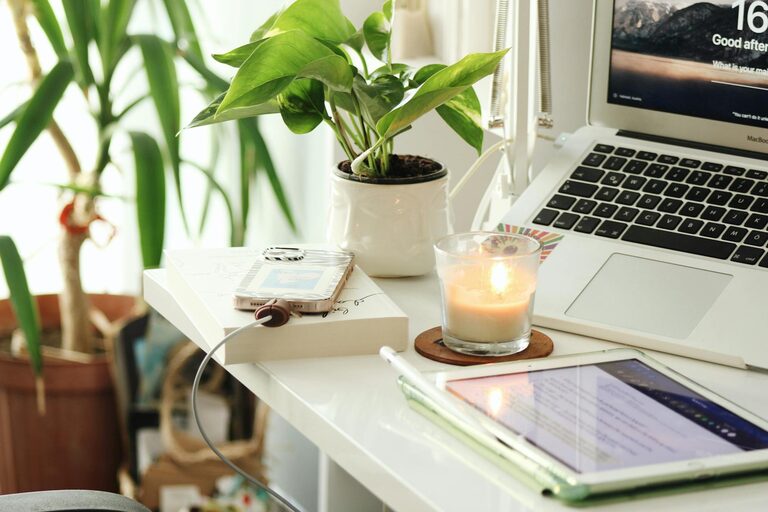
Creating a home office environment that is both relaxing and productive can significantly improve your work-from-home experience. Whether you spend a few hours or full days working remotely, the right setup helps you stay focused, reduce stress, and maintain a healthy work-life balance. Here are some practical tips to design a home office space that supports your best work.
Choose the Right Location
Prioritise Natural Light
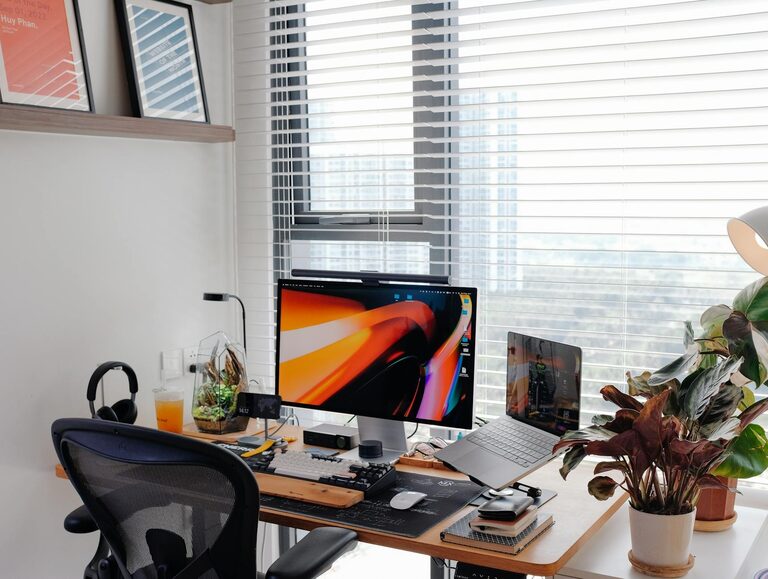
If possible, position your desk near a window to take advantage of natural daylight. Sunlight helps regulate your body clock and boosts mood and energy levels. Avoid glare on your screen by placing your desk at an angle or using blinds to soften direct sunlight.
Find a Quiet Spot
Select a space where distractions are minimal. A separate room is ideal, but even a corner of a room can work if it’s away from busy areas. Let family members or housemates know your work hours to minimise interruptions.
Invest in Comfortable and Functional Furniture
Ergonomic Chair and Desk
Comfort is key when spending hours at a desk. An ergonomic chair that supports your back and encourages good posture reduces the risk of discomfort and injury. Adjustable desks can also be useful, allowing you to switch between sitting and standing positions.
Organised Desk Space
Keep your desk free of clutter by using organisers or storage solutions. A tidy workspace helps your mind feel clear and focused. Store items you use frequently within easy reach, and tuck away paperwork or stationery when not in use.
Create a Calming Atmosphere
Use Soothing Colours
The colours in your workspace affect how you feel. Soft neutrals, blues, or greens create a calming environment that helps reduce stress. Avoid overly bright or harsh colours that might cause visual fatigue.
Add Personal Touches
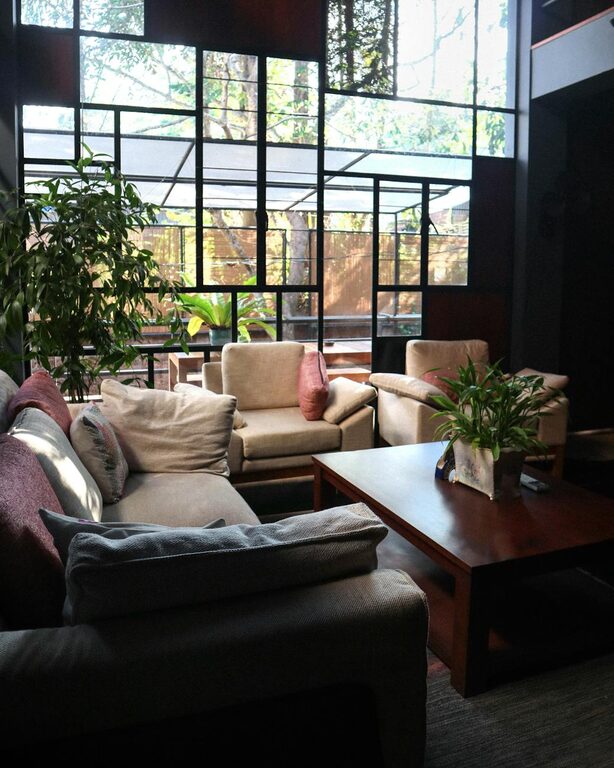
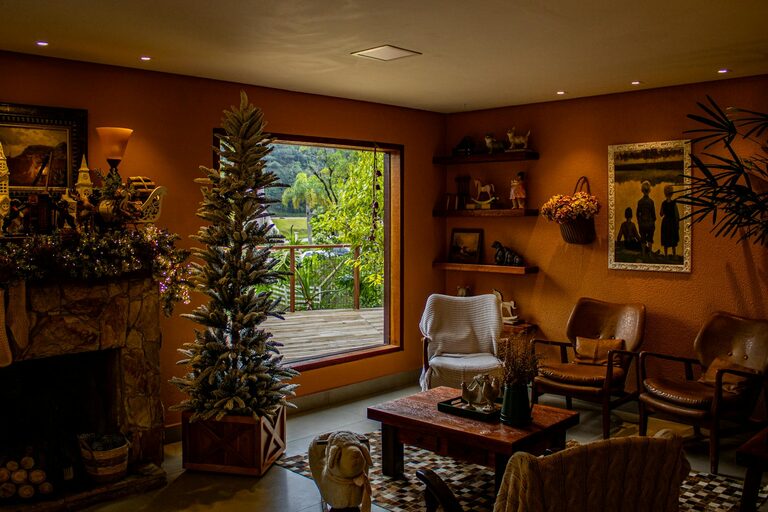
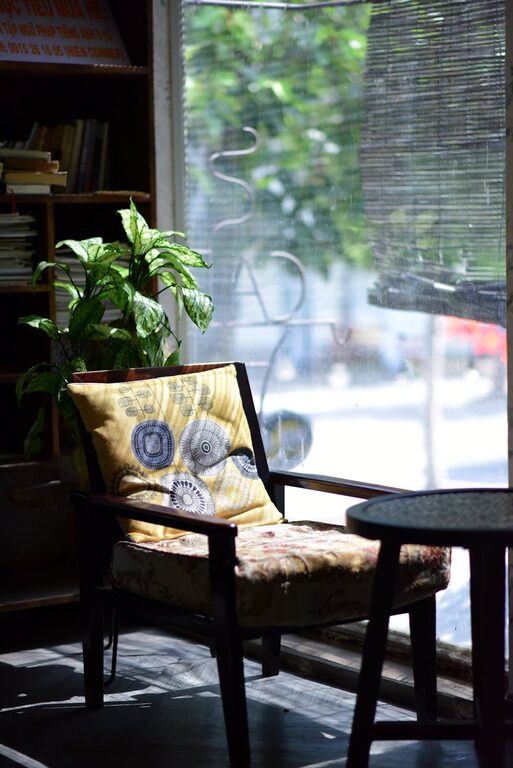
Include a few personal items like photos, plants, or artwork to make your office inviting and uniquely yours. Plants not only brighten the room but can also improve air quality and provide a sense of calm.
Manage Noise Levels
Use Noise-Cancelling Options
If background noise is a problem, consider noise-cancelling headphones or a white noise machine to create a peaceful ambiance. Alternatively, soft background music or nature sounds can help some people concentrate better.
Quiet Materials
Soft furnishings like curtains, carpets, or cushions can absorb sound and reduce echo, making your workspace quieter and more comfortable.
Optimise Lighting and Screen Setup
Balanced Lighting
In addition to natural light, use adjustable desk lamps to reduce eye strain during darker hours. Position lighting so it doesn’t cause reflections or shadows on your screen.
Screen Position
Place your monitor at eye level about an arm’s length away. This prevents neck and eye strain, helping you stay comfortable throughout your workday.
Implement Organised Technology
Tidy Cables
Use cable organisers or clips to keep wires out of the way. A neat setup reduces distractions and helps maintain a clean environment.
Reliable Equipment
Invest in quality hardware like a good keyboard, mouse, and headset. Reliable technology minimises frustration and interruptions.
Establish a Work Routine
Set Boundaries
Define clear work hours and breaks to separate your professional and personal time. Having a routine prepares your mind for focused work and helps you relax when the day ends.
Take Regular Breaks
Step away from your desk regularly to stretch, move around, or get fresh air. Short breaks refresh your body and mind, improving productivity and reducing fatigue.
Enhance Air Quality and Comfort
Fresh Air
Ventilate your workspace by opening windows when possible. Fresh air helps keep you alert and comfortable.
Temperature Control
Maintain a comfortable room temperature to avoid feeling too hot or cold. Use fans, heaters, or humidifiers to create a suitable climate for your office.
—
Designing a home office that balances relaxation and productivity isn’t about perfection but creating a space that supports your unique needs. Small changes in your environment and habits can lead to significant improvements in comfort, focus, and wellbeing. By following these tips, your home office can become a place where you thrive professionally while feeling calm and motivated.